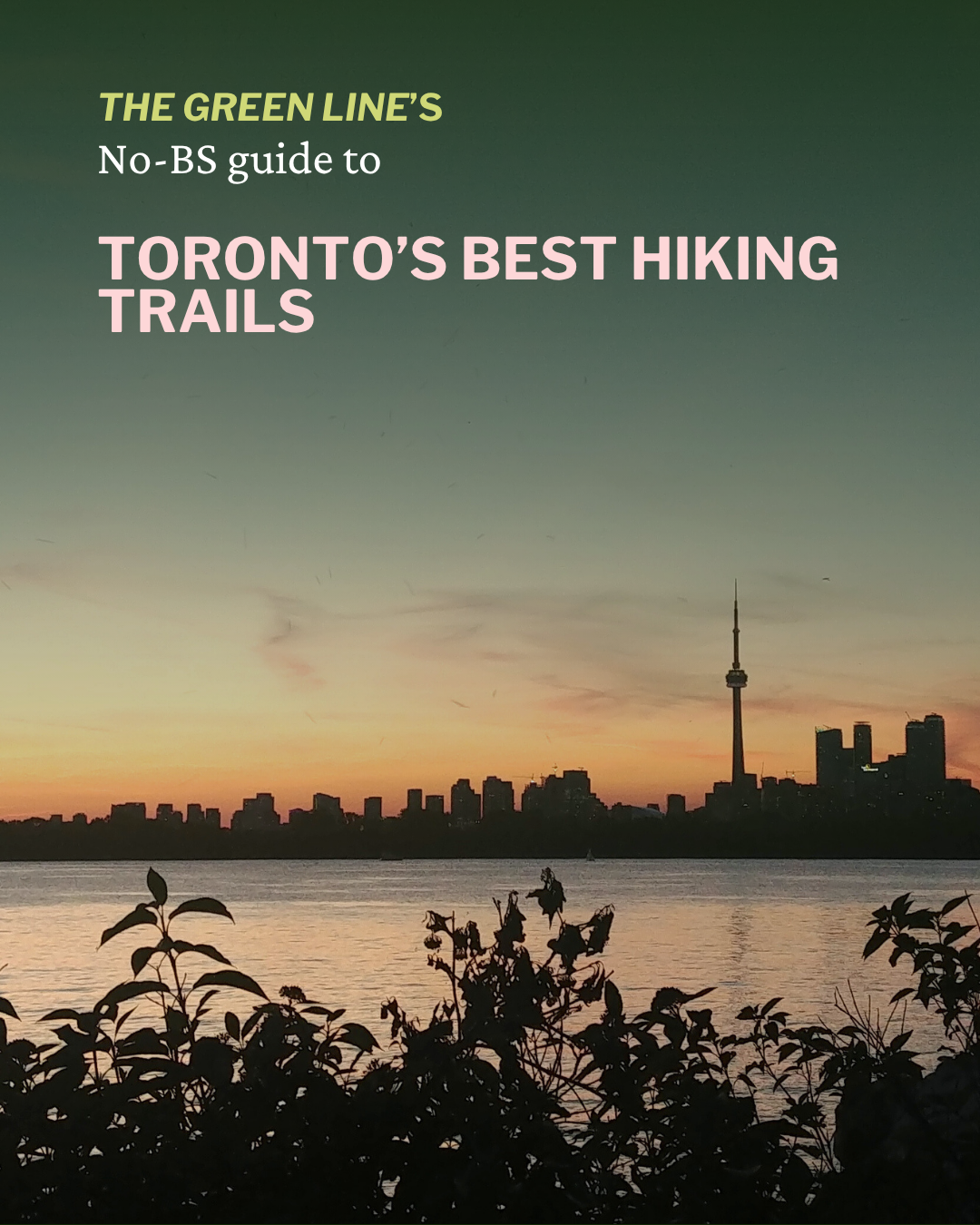
The Green Line:
How to Toronto
Case study · Audience growth · 2025
An independent Toronto newsroom wanted readers who would stick around, not names on a list. One six-week campaign doubled its active email subscribers.
Client
The Green Line, independent Toronto news outlet
Role
Project consultant: digital audit, campaign strategy, paid media and sign-up journey
Campaign
June 1 to July 11, 2025
Outcome
Active email subscribers doubled, more than two and a half times the goal
Context
The Green Line is an independent, community-focused news outlet in Toronto. Like most newsrooms, it works in a tough market: social platforms keep cutting the reach of news, and readers have more sources than ever competing for their attention.
Email is one of the few channels a newsroom actually owns. But growing a list for its own sake doesn't help. The goal was quality, not volume: readers who care about the city and stay on as part of the community.
My Role
I worked with The Green Line's team as project consultant through Terra Etc., leading the digital side of the campaign. I audited the sign-up journey and tracking, set the campaign strategy and paid media plan, ran targeted Meta ads, simplified the sign-up journey, built the welcome series, and lined up search and messaging so the campaign was easy to find and remember. The guide itself was created by The Green Line's editorial, design, video, development and engagement team.
The Approach
Fix the plumbing before turning on the tap
The campaign started with an audit, not an ad. Before any money went into paid media, we made sure the sign-up journey worked, tracking was in place, and there was a baseline to measure against.
Offer something people actually want
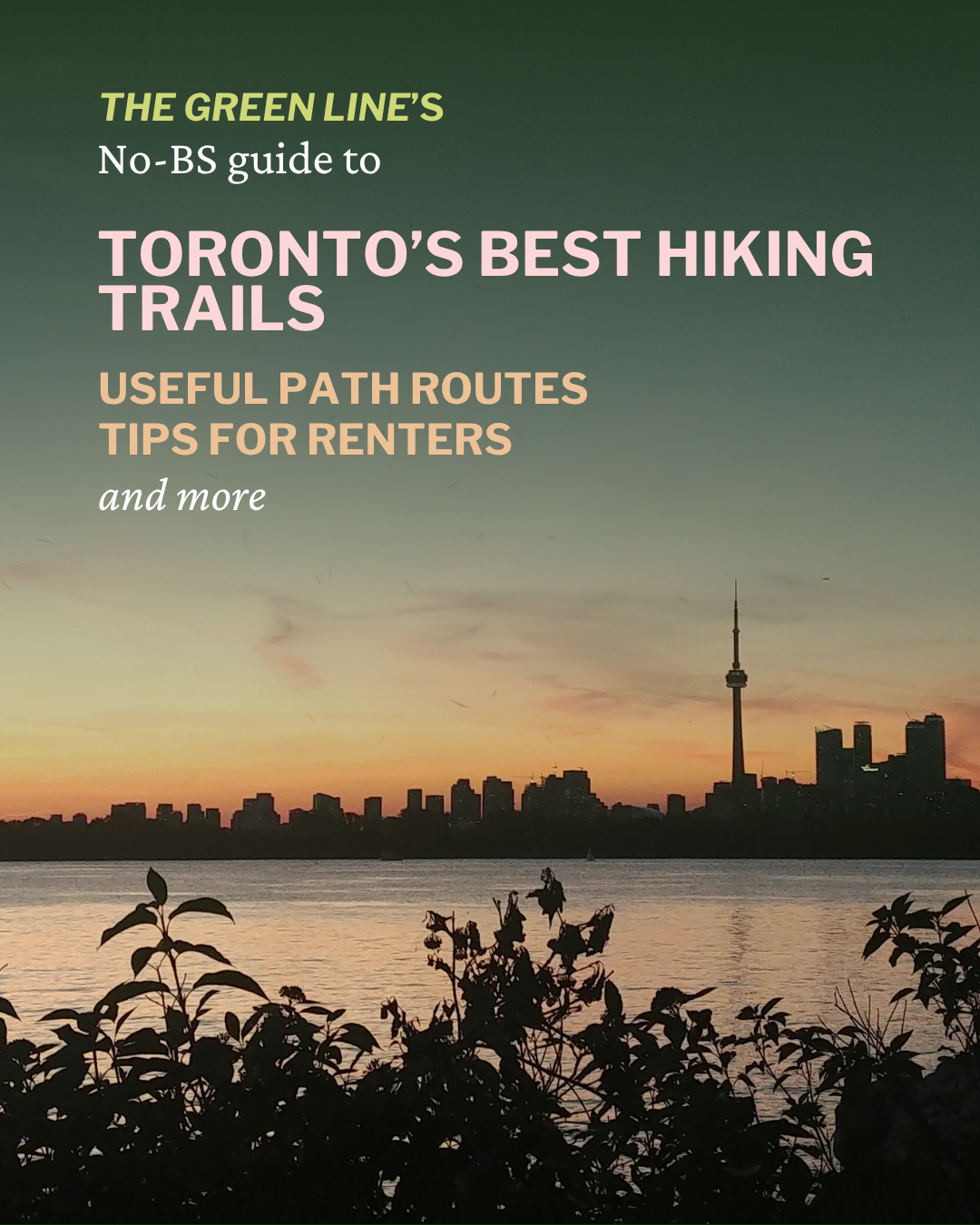
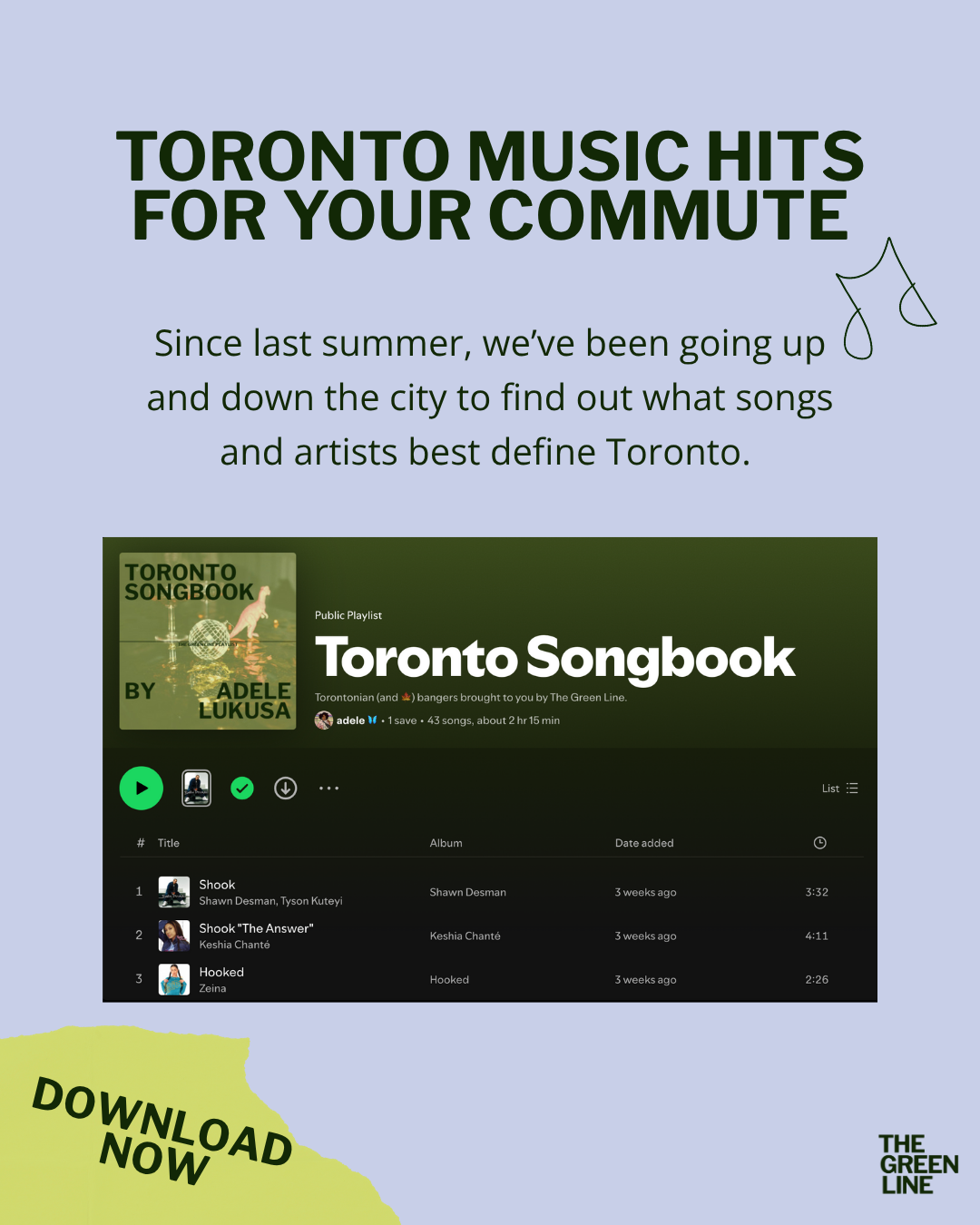
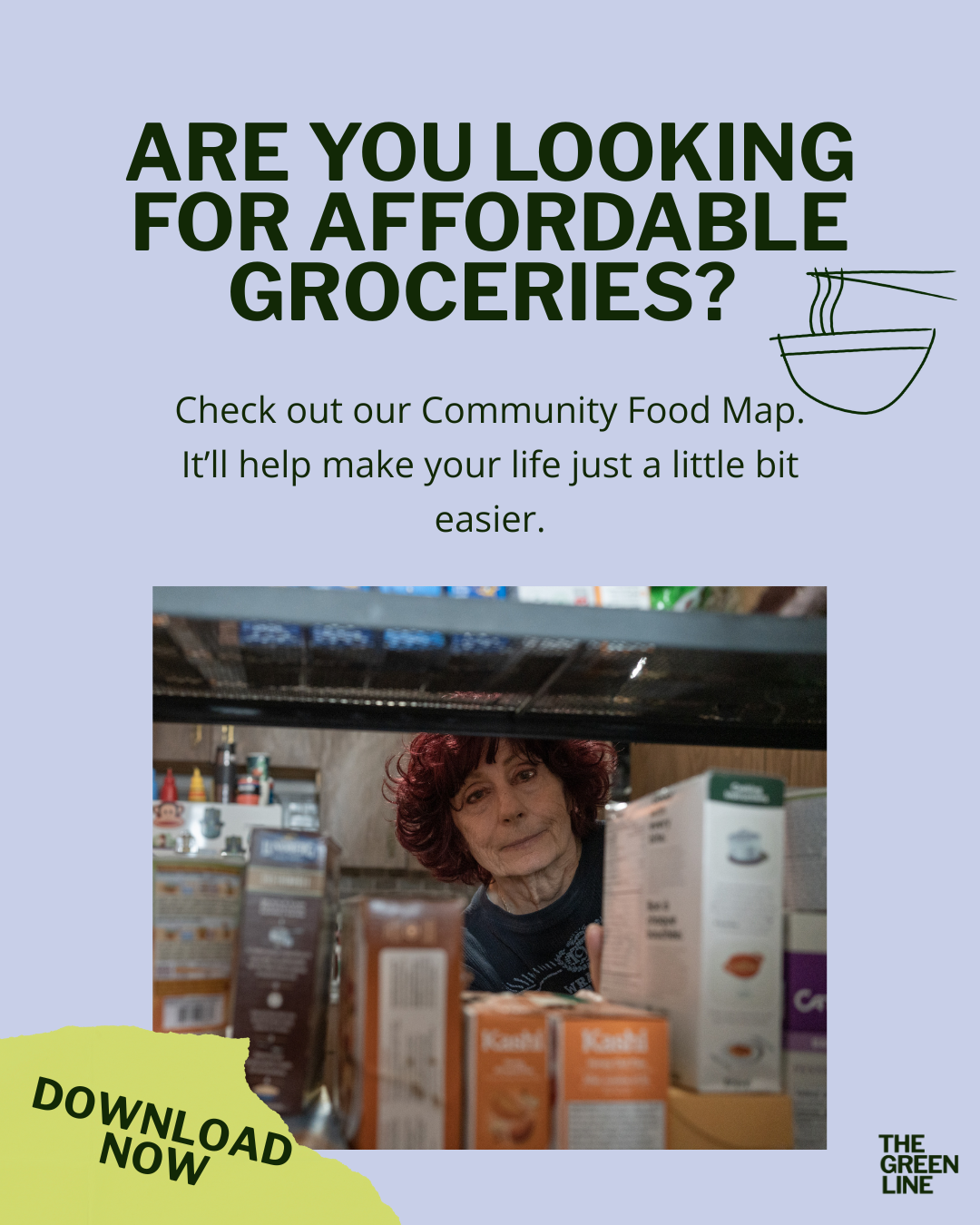
Instead of "subscribe to our newsletter," the ask was a free guide: How to Toronto: Our No-BS Guide to City Living. It covers third spaces and hiking spots you can reach by TTC, free Wi-Fi downtown, dealing with landlords, finding your way through the PATH, renting tips and a cost-of-living calculator (The Green Line 2025 Impact Report). It was an honest preview of what The Green Line does every week, so the people who wanted the guide were the people who would want the newsletter too.
Every dollar needs a job
Meta ads went to people living in Toronto, with creative built around the guide's practical value. They ran against a plan with clear projections, so the team could see right away that the ads were beating it.
Make every route lead to a sign-up
People arrived from ads, search, social and TV, so every entry point had to work. Pop-ups, embedded forms and clear landing pages kept the sign-up short, and a welcome series built the relationship from the very first email.
Turn a TV moment into a sign-up moment
On June 10, The Green Line appeared on Breakfast Television. Live TV couldn't show a link or QR code, so the campaign was built not to need one. A simple line, "Visit The Green Line for your free guide," was easy to remember. Search work put The Green Line and How to Toronto at the top of results. And once viewers arrived, signing up took seconds. Traffic and sign-ups spiked that day.
Build for capacity, not just ambition
Growth only matters if the team can keep serving new readers. The newsletter moved to every two weeks, a pace the team could sustain. A schedule you keep beats an ambitious one you drop.
Results
2X
Active email subscribers in one six-week campaign
2.6X
The campaign goal, measured against the low end of the target
Gold Award
Innovation in Digital Storytelling, 2026 Digital Publishing Awards (DPA)
New subscribers also opened and clicked at roughly twice the industry average, a sign the campaign brought in the readers The Green Line was looking for.
What this campaign proves
Fix the system before you spend. The audit came first, so every dollar landed on a journey that worked and could be measured.
Value beats volume. A useful guide brought in readers who kept opening and clicking.
Every channel is a door. TV, search, social and ads all worked because each led to the same simple sign-up.
Good work outlasts the campaign. The guide kept earning attention long after the ads stopped, all the way to a national award.